

Magnolia Scale in Wisconsin: Signs, Damage & Treatment

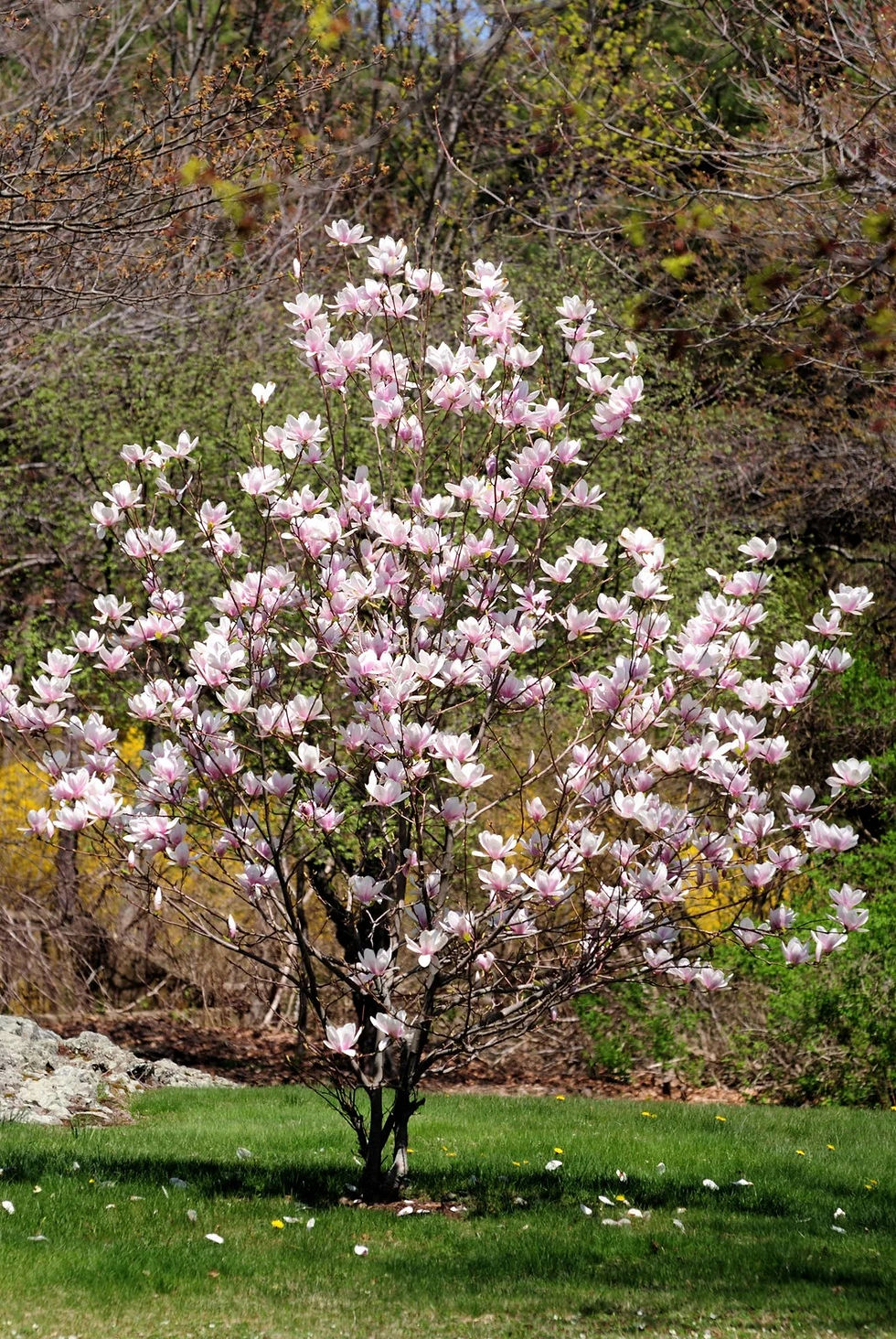
Magnolia trees are known for their spring blooms and beautiful foliage, but they can also fall victim to one of the most damaging pests affecting ornamental trees: magnolia scale.
This sap-sucking insect is most noticeable in mid-to-late summer, making now the ideal time to inspect your trees. Catching an infestation early can help protect your magnolia and prevent more serious damage down the road.
What is Magnolia Scale?
Magnolia scale is one of the largest soft scale insects found in North America. It feeds by piercing branches and extracting sap from the tree. As the insect feeds, they rob the tree of water and nutrients, causing stress and reducing its overall health.
Unlike many insects that hide beneath leaves, magnolia scale is easy to spot once you know what you're looking for. Adult scales appear as smooth, waxy bumps that range in color from white and tan to pink or light brown. They are commonly found clustered along small twigs and branches.
Signs Your Magnolia May Have Scale

Take a few minutes to inspect your tree for these common symptoms:
Sticky residue (called honeydew) on leaves, branches, sidewalks, decks, or patio furniture.
Black, soot-like mold growing on leaves or branches. This mold grows on the honeydew left behind by the insects.
White, tan, or pink waxy bumps clustered on twigs and small branches.
Increased activity from ants, wasps, bees, or flies feeding on the honeydew.
Yellowing leaves, poor vigor, or branch dieback in more severe infestations.
Why Magnolia Scale Is a Problem
Magnolia scale doesn't just affect the appearance of your tree. As it continues feeding, it weakens the tree's ability to grow and thrive.
Over time, untreated infestations can:
Weaken the overall health of the tree.
Reduce flowering and new growth.
Cause branch dieback.
Make the tree more vulnerable to environmental stress and other pests or diseases.
Leave a sticky mess on anything beneath the tree, including cars, decks, sidewalks, and outdoor furniture.
The longer an infestation goes untreated, the more difficult it can become to manage.
Why Timing Matters
One of the biggest misconceptions about magnolia scale is that it can be treated effectively at any time of year. In reality, timing is one of the most important factors in successful control.
Magnolia scale progresses through several life stages during the growing season, and treatments are most effective when the insects are in their most susceptible stage. Applying treatments too early or too late may significantly reduce their effectiveness.
That's why professional monitoring and proper timing are so important.
How Hoppe Tree Service Treats Magnolia Scale

At Hoppe Tree Service, we don't rely on a one-size-fits-all approach to our treatment plans. Our Certified Arborists evaluate the severity of the infestation and use growing degree days to determine when magnolia scale is most vulnerable to treatment. This is a heat-based measurement that tracks accumulated temperature over time to predict insect development stages.
This science-based approach allows us to apply treatments at the optimal time for the best possible results.
Depending on the tree's condition and the scale population, your treatment plan may include one or more of the following:
Horticultural Oil
A foliar application of refined mineral oil to help smother overwintering scale insects before they become active. This can be an effective option for reducing populations and is often incorporated into an integrated treatment program.
Insect Growth Regulator (Our Recommended Early-Season Treatment)
Our preferred early-season treatment is a targeted foliar application of an insect growth regulator. Applied in the spring, it prevents immature scale insects from progressing to their next life stage.
Because it specifically targets developing scale insects, this treatment has minimal impact on beneficial insects like pollinators and natural predators.
Late-Season Foliar Applications
Late summer provides another important treatment window as magnolia scale enters its next susceptible life stage. During this period, we can make targeted foliar applications to help reduce the population before the insects prepare to overwinter.
Systemic Soil Insecticide
For trees with heavy infestations, we may recommend a systemic soil-applied insecticide as an additional option. This treatment can provide season-long control and is typically reserved for magnolias with large-scale populations.
A Professional Inspection Makes the Difference
No two magnolia trees, or infestations, are exactly alike. Before recommending treatment, one of our Certified Arborists will inspect your tree, confirm that magnolia scale is the cause, assess the severity of the infestation, and determine which stage of the insect's life cycle is present.
From there, we'll recommend the most effective treatment plan based on your tree's needs and the ideal treatment window.
Protect Your Magnolia Before The Damage Gets Worse
Late summer is one of the easiest times to identify magnolia scale. If you've noticed sticky leaves, black sooty mold, unusual bumps on your branches, or increased insect activity around your tree, don't wait for the damage to spread.
The sooner magnolia scale is identified, the more effective treatment can be.
Schedule a visit with one of Hoppe Tree Service's Certified Arborists. We'll help diagnose the problem, recommend the right treatment, and keep your magnolia healthy for seasons to come.


Comments